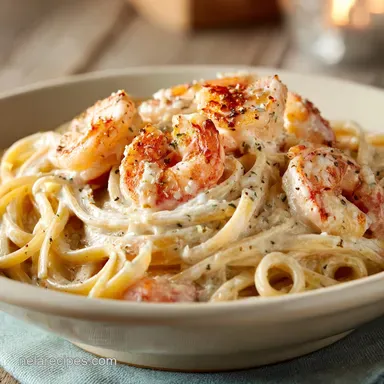
Garlic Cream Shrimp Linguine: Creamy and Tender
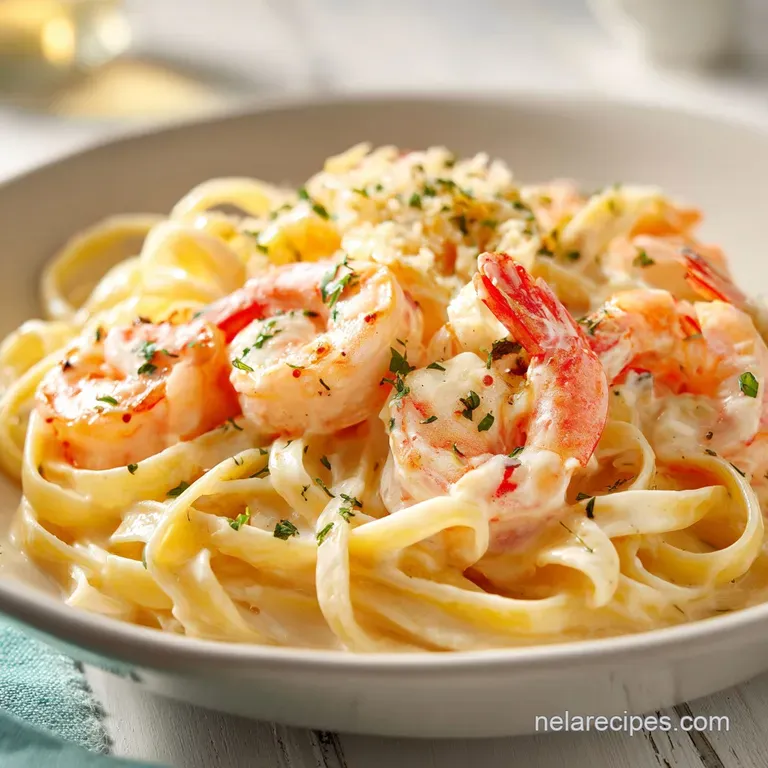
- Time:10 minutes prep + 15 minutes cook = Total 25 minutes
- Flavor/Texture Hook: Velvety cream sauce with a bright lemon finish and shatter tender shrimp
- Perfect for: An impressive date night or a stress free weekday treat
- A Secret to Perfect Garlic Cream Shrimp Linguine
- Meal Plan and Timing Stats
- The Best Elements and Swaps
- Kitchen Tools for Success
- The Step by Step Flow
- Fixing Common Cooking Glitches
- Creative Flavor Twists
- Fresh Storage and Reheating
- Plating for Maximum Impact
- High in Sodium
- Recipe FAQs
- 📝 Recipe Card
A Secret to Perfect Garlic Cream Shrimp Linguine
The sound of chilled shrimp hitting a scorching hot pan is practically music. That aggressive sizzle is the first sign you're doing it right. I remember the first time I tried making a cream pasta with seafood; I dumped everything into the pot at once. The result?
The shrimp were rubbery, the garlic was burnt, and the sauce looked more like curdled milk than a velvety glaze. It was a total disaster that I tried to save with extra cheese, but you can't hide bad technique with Parmesan.
The trick I learned since then is all about timing and temperature. You have to treat the shrimp and the sauce as two separate entities that only meet at the very end. By searing the shrimp and removing them, you get those beautiful browned edges without overcooking the centers.
Then, you use that leftover flavor in the pan the brown bits we call fond to build the base of the sauce.
Trust me on this: once you see those shrimp curl into a perfect 'C' shape and smell the garlic just as it turns fragrant, you'll realize this is the only way to do it. It's a comforting, everyday luxury that doesn't require a professional kitchen, just a bit of patience with the heat.
Let's crack on and get this on your table.
Meal Plan and Timing Stats
When you're planning your night, the most important thing to realize is that this dish moves fast once the stove is on. You can't be chopping garlic while your pasta is already boiling over.
I always recommend a "mise en place" approach which is just a fancy way of saying "get your stuff ready first." Spend your 10 minutes of prep time getting everything in little bowls so you aren't scrambling.
For the best experience, I suggest starting your water first. While that's heating up, you can peel your shrimp and mince your garlic. By the time the water hits a rolling boil, your shrimp should be seasoned and ready to hit the pan.
This flow ensures that the pasta and the sauce finish at exactly the same time, so you aren't serving cold noodles with a hot sauce.
Since this is a quick hit meal, it's great for those nights when you're starving but want something that feels special. If you're looking for other fast options for a different night, you might enjoy my crispy black bean quesadillas, which are just as quick but hit a different craving.
| Method | Time | Texture | Best For |
|---|---|---|---|
| Stovetop (Classic) | 25 mins | Silky and glossy | Date night / Fresh dinner |
| Batch Prep | 40 mins | Slightly thicker | Meal prep / Family dinner |
| over Low heat Simmer | 35 mins | Richer, more reduced | Cold winter nights |
The Best Elements and Swaps
Getting the right ingredients is half the battle. I always go for large shrimp because they hold up better in a heavy cream sauce. If they're too small, they disappear into the linguine. Also, please don't use the pre shredded Parmesan in the green can.
It's coated in potato starch to prevent clumping, which means it won't melt into the sauce; it'll just make your dinner grainy. Grate it yourself from a wedge for that velvety finish.
The cream provides the body, but the lemon juice is the secret weapon. Without that hit of acidity, the butter and cream can feel too heavy on the palate. The lemon "cuts" through the fat, making every bite taste fresh.
It's a balance of richness and brightness that makes this recipe feel balanced rather than just heavy.
| Original Ingredient | Substitute | Why It Works |
|---|---|---|
| Heavy Cream (1 cup) | Full fat Coconut Milk (1 cup) | Similar fat content. Note: Adds a nutty, tropical vibe |
| Linguine (12 oz) | Fettuccine or Spaghetti (12 oz) | Similar shape and starch release. Note: Fettuccine is slightly wider |
| Parmesan Cheese (3/4 cup) | Pecorino Romano (3/4 cup) | Both are hard, salty cheeses. Note: Pecorino is saltier and tangier |
| Unsalted Butter (3 tbsp) | Olive Oil (3 tbsp) | Provides the necessary fat for sautéing. Note: Loses the creamy, nutty finish |
The Component Deep Dive
| Ingredient | Science Role | Pro Secret |
|---|---|---|
| Pasta Water | Emulsifier | Use it to bind the cheese and cream together |
| Lemon Juice | Acid Balance | Stir it in at the very end to keep the flavor bright |
| Garlic | Aromatic Base | Sauté only until fragrant; browning makes it bitter |
| Heavy Cream | Fat Source | Simmer slowly to avoid separation |
Kitchen Tools for Success
You don't need a mountain of gear, but the right pan makes a difference. I highly recommend a 12 inch stainless steel or cast iron skillet. Why? Because they hold heat much better than non stick pans. When you drop the shrimp in, you want them to sear instantly, not steam.
If you use a pan that's too small, you'll overcrowd the shrimp, and they'll release too much water, which ruins the crust.
For the pasta, a large pot is non negotiable. Linguine needs room to move around, or it'll clump together into one giant dough ball. I also suggest having a pair of tongs ready. Tongs are far superior to a fork or spoon for tossing the pasta into the sauce, as they allow you to coat every strand without breaking the noodles.
Finally,, don't forget a good mesh strainer or a spider skimmer. You need to be able to move the shrimp out of the pan quickly once they've reached that perfect 'C' shape. If you leave them in while you're adding the cream, they'll overcook and turn into rubber bands before the sauce is even done.
The step by step Flow
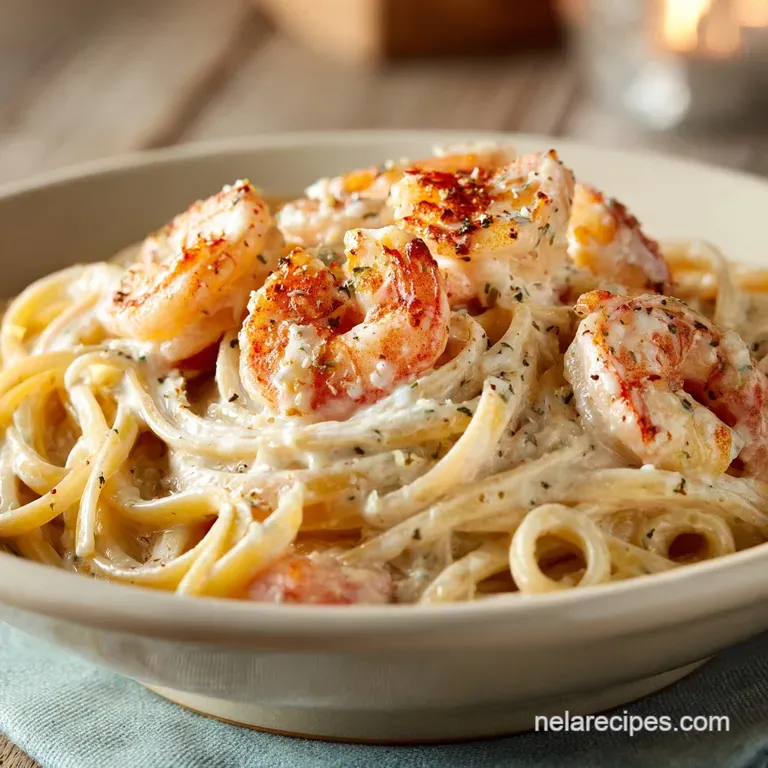
Let's get into the actual cooking. Remember to keep your heat medium high for the sear and medium for the sauce. If the cream starts to bubble too violently, just turn the heat down a notch.
- Bring a large pot of heavily salted water to a rolling boil. Add linguine and cook for 1–2 minutes less than package directions. Note: This ensures the pasta finishes cooking in the sauce, absorbing all that flavor. Reserve 1 cup of pasta water before draining.
- Pat shrimp dry with paper towels. Season with 1 tsp kosher salt and 1/2 tsp cracked black pepper. Heat 2 tbsp olive oil in a 12 inch skillet over medium high heat. Sear shrimp for 1–2 minutes per side until opaque and curled into a 'C' shape. Remove shrimp to a plate.
- Lower skillet heat to medium. Melt 3 tbsp unsalted butter and scrape up the brown bits from the bottom. Add 5 cloves minced garlic and 1/4 tsp red pepper flakes, sautéing for 60 seconds until fragrant but not browned.
- Pour in 1 cup heavy cream and simmer for 3 minutes until the sauce slightly thickens and coats the back of a spoon.
- Stir in 3/4 cup freshly grated Parmesan cheese until completely melted and smooth.
- Return the cooked linguine and seared shrimp to the pan.
- Toss vigorously, adding reserved pasta water 2 tablespoons at a time until the sauce is glossy and clings to the pasta.
- Stir in 1 tbsp fresh lemon juice and 1/4 cup chopped parsley just before serving.
Chef's Note: If you want a deeper flavor, try adding a pinch of nutmeg to the cream. It's a classic Italian trick that doesn't make it taste like dessert it just makes the cheese taste "cheesier."
Fixing Common Cooking Glitches
Even the best of us mess up sometimes. The most common issue I see is "broken" sauce. This happens when the fat separates from the liquid, leaving you with an oily mess. Usually, this is because the heat was too high or the cheese wasn't stirred in properly.
Adding a splash of that starchy pasta water and whisking quickly usually brings it back together.
Another common gripe is the texture of the shrimp. If they've gone from a 'C' shape to an 'O' shape, they're overcooked. They'll be tough and lose that snap. To avoid this, always remove them from the pan the second they look opaque.
They'll continue to cook for another minute just sitting on the plate, which is actually a good thing.
The Sauce is Too Thick
If your sauce turns into a paste, don't panic. It's likely just the Parmesan absorbing too much liquid. Slowly whisk in your reserved pasta water one tablespoon at a time. The starch in the water acts as a bridge, thinning the sauce while keeping it creamy.
The Garlic Burn Point
Burnt garlic is bitter and can ruin the whole pot. If you see the garlic turning dark brown, immediately pour in the heavy cream. The liquid will drop the temperature of the pan instantly and stop the burning process, though it's always better to keep the heat at a steady medium.
Shrimp are Tough
This is almost always a result of overcooking. To fix this in the future, pat the shrimp completely dry. Wet shrimp steam instead of sear, meaning you have to leave them in the pan longer to get color, which overcooks the inside.
| Problem | Root Cause | Solution |
|---|---|---|
| Sauce Separated | Heat too high / No starch | Whisk in 2 tbsp pasta water |
| Rubbery Shrimp | Overcooked (O shape) | Remove when C shaped |
| Bland Flavor | Not enough salt/acid | Add an extra squeeze of lemon |
Avoid these mistakes for a better result:
- ✓ Pat shrimp completely dry before searing (prevents steaming)
- ✓ Use a large skillet to avoid overcrowding the shrimp
- ✓ Grate your own Parmesan (pre shredded won't melt smoothly)
- ✓ Reserve pasta water BEFORE draining the noodles
- ✓ Stir in lemon juice at the very end to preserve brightness
Creative Flavor Twists
Once you've got the basic Garlic Cream Shrimp Linguine down, you can start playing with the profile. I love adding a handful of baby spinach at the very end. The residual heat wilts the greens perfectly without making them soggy, and it adds a pop of color to the plate.
For those who love a bit of a kick, you can double the red pepper flakes or stir in a teaspoon of Calabrian chili paste.
If you're feeling fancy, you could swap the linguine for a different pasta shape. Mafaldine (the ruffled edges) is incredible for catching the cream sauce. Or, if you're hosting a bigger group and want a variety of textures, this pasta pairs beautifully with a side of roasted asparagus or a light arugula salad. If you're in the mood for something even more indulgent, my Swedish meatball pasta bake is another great way to use a creamy base.
Quick decision guide for customizations: If you want more veg → add sautéed mushrooms or baby spinach. If you want more zing → add a teaspoon of lemon zest along with the juice. If you want a lighter version → swap half the cream for a splash of chicken broth.
Fresh Storage and Reheating
Cream sauces are notoriously tricky to store because the pasta continues to absorb liquid as it sits. If you put this in the fridge, you'll find that by the next morning, the linguine has soaked up all the sauce, leaving you with a clump of noodles.
To prevent this, I recommend undercooking your pasta by an additional minute if you know you'll have leftovers.
Store the pasta in an airtight container in the fridge for up to 3 days. When it's time to reheat, don't just microwave it on high. Put the pasta back in a skillet over medium low heat and add a splash of milk or water. This re emulsifies the sauce and brings back that glossy texture.
Avoid the freezer for this dish the cream and shrimp don't freeze and thaw well; the shrimp become spongy and the sauce often separates.
To avoid waste, don't throw away your shrimp shells if you bought them head on! Toss them in a pot with some water, a carrot, and an onion to make a quick shrimp stock. You can freeze that stock for months and use it as a base for a risotto or a seafood soup later on.
Plating for Maximum Impact
We eat with our eyes first, and a big pile of pasta can look a bit messy if you're not careful. To get that restaurant look, use the "twirl" method. Take a large carving fork or tongs, grab a portion of the linguine, and twirl it into a tight nest before sliding it onto the plate.
This gives the dish height and makes it look much more professional.
Place the seared shrimp on top of the nest rather than mixing them all in. This ensures the shrimp stay visible and don't get lost in the noodles. Finish the plate with a final sprinkle of fresh parsley and a tiny pinch of cracked black pepper.
A light drizzle of extra virgin olive oil over the top right before serving adds a beautiful sheen and a hit of fresh fruitiness.
Finally,, serve this in warmed bowls. Cream sauces can cool down quickly, and a cold bowl will suck the heat right out of your dinner. Just run your bowls under hot water for a minute or pop them in a low oven for 5 minutes.
It's a small touch, but it keeps the meal comforting and velvety until the last bite.
High in Sodium
820 mg 820 mg of sodium per serving (36% 36% of daily value)
The American Heart Association recommends a daily limit of 2,300mg of sodium for most adults to lower the risk of hypertension and heart disease.
Tips to Reduce Sodium
-
Omit the Kosher Salt-25%
Replace the kosher salt with an extra squeeze of fresh lemon juice or a pinch of citric acid to maintain the brightness of the dish.
-
Limit the Parmesan-15%
Reduce the amount of Parmesan cheese by half and supplement with nutritional yeast to keep the nutty, savory flavor.
-
Unsalted Pasta Water-10%
Avoid adding salt to the boiling water for the linguine, as the cream and cheese sauce provide sufficient seasoning.
-
Boost Aromatics
Increase the amount of fresh parsley and red pepper flakes to enhance the overall flavor profile without adding sodium.
Recipe FAQs
How to tell when the shrimp are perfectly cooked?
Sear for 1 2 minutes per side until they curl into a 'C' shape and turn opaque. Remove them from the pan immediately to ensure the centers stay tender and not rubbery.
How to fix a cream sauce that is too thick?
Stir in reserved pasta water two tablespoons at a time. The starch in the water emulsifies the sauce, creating a glossy, restaurant style glaze.
Is it true I should sauté the garlic for several minutes to get the most flavor?
No, this is a common misconception. Sauté garlic for only 60 seconds; overcooking it causes the garlic to burn and taste bitter.
How to cook the linguine so it doesn't overcook in the sauce?
Boil the pasta for 1 2 minutes less than the package directions. This allows the linguine to finish cooking while tossing in the cream sauce.
Should I rinse the shrimp immediately before searing?
No, pat them dry with paper towels first. Excess moisture creates steam in the pan, which prevents the shrimp from developing a proper brown sear.
What side dishes pair best with this cream pasta?
Pair this with a fresh green salad or crusty garlic bread. For a quick sweet treat after dinner, try these peanut butter cookies.
Can I substitute milk for heavy cream?
No, stick with heavy cream. Milk lacks the necessary fat content to create a stable, velvety emulsion with the Parmesan cheese.
Garlic Cream Shrimp Linguine