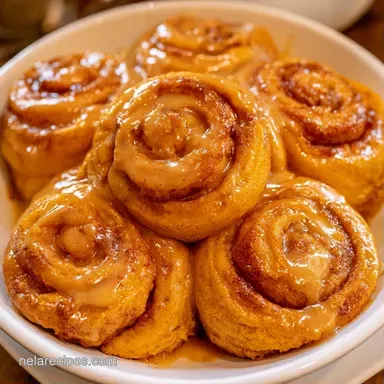
Pumpkin Cinnamon Rolls with Brown Butter Frosting
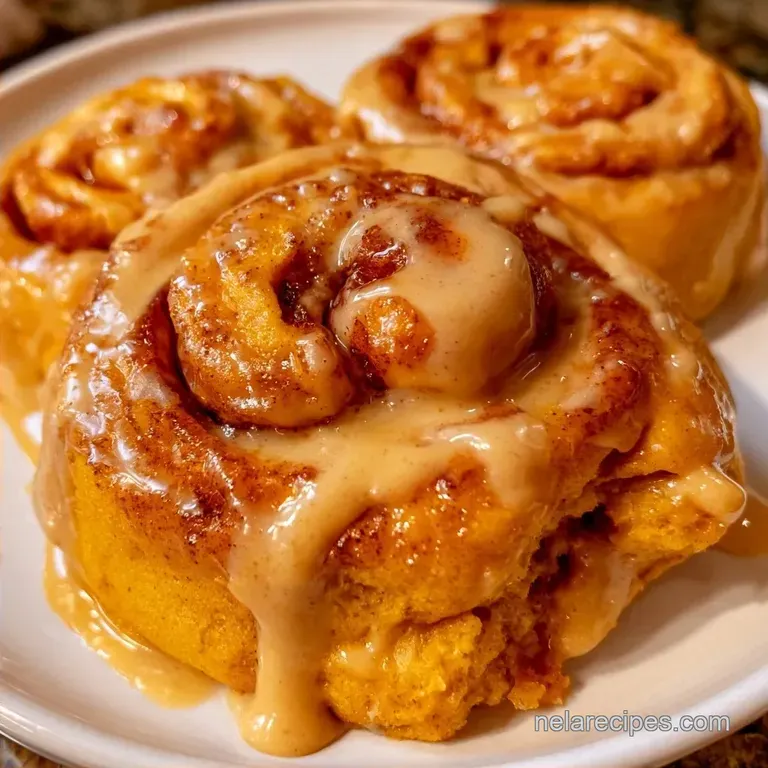
- Time: 30 min active + 2 hours 30 mins rising/baking
- Flavor/Texture Hook: Pillowy dough with a nutty, mahogany colored glaze
- Perfect for: Cozy autumn mornings or a slow Sunday breakfast
The scent of browning butter and cinnamon hitting a hot oven is basically autumn in a pan. I remember the first time I tried adding pumpkin to my dough; I didn't weigh the puree and ended up with a sticky mess that looked more like porridge than bread.
Once I started measuring everything in grams, the texture shifted from gummy to cloud like.
Pumpkin puree is the hero here. It doesn't just add that classic orange glow, it acts as a natural humectant. This means it holds onto water, which keeps the crumb soft for days longer than a standard roll. If you use a pumpkin spice mix instead of pure puree, you'll lose that moisture, and the rolls will turn out dry.
Here is the ultimate recipe for Pumpkin Cinnamon Rolls with Brown Butter Frosting. You can expect a rich, spiced dough that's topped with a glaze that tastes like toasted hazelnuts. It's a treat that feels special but doesn't require professional gear.
Baking Soft Pumpkin Cinnamon Rolls
The success of this bake comes down to how the ingredients interact during the rise. Most people over flour their dough because pumpkin can feel tacky, but that's where they go wrong.
Pumpkin Moisture: The puree binds with flour proteins to create a tighter, more tender crumb. This keeps the rolls soft without needing excessive butter in the dough.
Toasted Butter: Browning the butter for the frosting creates a nutty flavor profile. This cuts through the sweetness of the powdered sugar, giving you a more balanced taste.
Warmth Control: Using milk at about 40°C ensures the yeast wakes up without killing it. If the milk is too hot, you'll end up with a dense brick.
| Method | Time | Texture | Best For |
|---|---|---|---|
| Homemade Dough | 3 hours | Pillowy and soft | Slow weekend mornings |
| Pre made Dough | 45 mins | Denser, more uniform | Quick weekday treats |
The difference in texture is night and day. While shortcut doughs are convenient, they lack the depth of flavor that comes from the slow fermentation of homemade Pumpkin Cinnamon Rolls.
Gathering Your Ingredients
I strongly suggest using a scale for your flour. Depending on your scooping method, a "cup" can differ by 30 grams, which is often why rolls end up too dry.
For the Pumpkin Dough
- 375g all purpose flour Why this? Ensures a consistent structure for the rise
- 50g granulated sugar Why this? Provides food for the yeast and a touch of sweetness
- 7g active dry yeast Why this? Responsible for the lift and light texture
- 5g salt Why this? Regulates the yeast and boosts the overall taste
- 120ml warm milk Why this? Wakes up the yeast and yields a softer crumb
- 120g pumpkin puree Why this? Provides richness, color, and an earthy taste
- 1 large egg Why this? Increases richness and supports the lift
- 55g unsalted butter, softened Why this? Gives the dough a soft, brioche style consistency
For the Cinnamon Filling
- 55g unsalted butter, melted Why this? Binds the spices together
- 100g light brown sugar Why this? Provides a deep molasses flavor missing in white sugar
- 15g ground cinnamon Why this? The core warm spice element
- 2g pumpkin pie spice Why this? Introduces nutmeg and cloves for added depth
For the Brown Butter Frosting
- 55g unsalted butter Why this? Browned to create a toasted, nutty scent
- 115g cream cheese, softened Why this? Offers a tart balance to the sweetness
- 60g powdered sugar Why this? Produces a silky, pourable consistency
- 5ml vanilla extract Why this? Balances the sugary notes
- 30ml heavy cream Why this? Allows you to control the frosting's consistency
| Component | Purpose | Substitute Notes |
|---|---|---|
| Pumpkin Puree | Moisture & Taste | Use canned puree; avoid "pumpkin pie filling" |
| All Purpose Flour | Framework | Bread flour is chewier; cake flour is too delicate |
| Cream Cheese | Tart Base | Mascarpone is a richer, less tart option |
| Brown Sugar | Caramel Depth | Coconut sugar is an option but alters the color |
For a slightly different take, give these Sourdough Pumpkin Cinnamon Rolls a try for a more tangy profile.
The Technical Details
To get these right, you need to hit a few specific checkpoints. Baking is more like chemistry than art, so these numbers matter.
- Yeast Activation: Your milk and yeast mixture should be foamy within 10 minutes. If it's flat, your yeast is dead start over.
- Knead Time: In a stand mixer, 5-7 minutes on medium low is the sweet spot. The dough should be smooth and just slightly tacky.
- Doneness Temp: Use a thermometer to check the center of a roll. It's done when it hits 88-93°C.
Necessary Kitchen Gear
You don't need a professional bakery, but a few tools make this way easier. A stand mixer such as a KitchenAid saves your arms during the kneading phase. If you don't have one, you can knead by hand on a floured counter for about 10 minutes.
You'll also need a 9x9 inch baking pan. This size keeps the rolls snug, which forces them to rise upward rather than spreading outward. For the frosting, a small saucepan is needed to brown the butter without burning it.
Putting It All Together
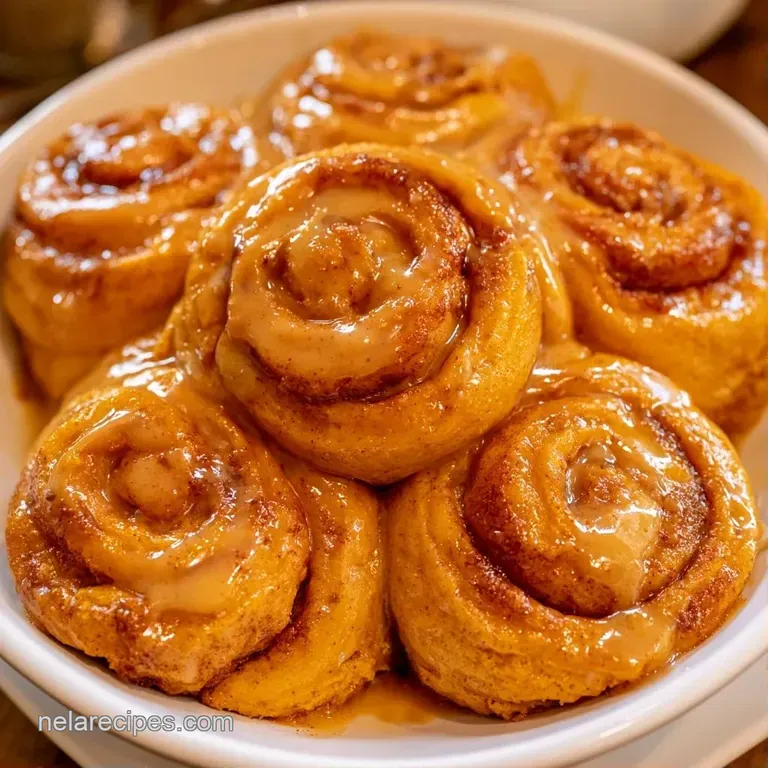
Time to begin. The secret is patience avoid rushing the rising process to ensure that characteristic pillowy texture.
Phase 1: Preparing the Pumpkin Dough
- Activate yeast. In your mixer bowl, blend warm milk with a pinch of sugar. Stir in the yeast and let it sit for 5-10 minutes until it looks frothy.
- Mix wet base. Whisk in the egg, pumpkin puree, and the remaining granulated sugar until completely smooth.
- Add dry ingredients. Slowly incorporate the flour and salt. Mix on a low setting until a shaggy dough forms.
- Knead the dough. Gradually add softened butter, one tablespoon at a time. Knead on medium low for 5-7 minutes until the texture is smooth and elastic.
- First rise. Transfer the dough to a greased bowl and leave it in a warm spot for 2 hours until it has expanded to twice its volume.
Phase 2: Filling and Shaping
- Roll the dough. Using a floured surface, roll the dough into a rectangle. Brush on melted butter, then dust with cinnamon, brown sugar, and pumpkin pie spice. Note: Leave a small border around the edges to ensure a tight seal.
- Cut the rolls. Roll the dough into a tight cylinder. Use a sharp knife or dental floss to slice it into 12 equal portions.
- Second rise. Place the Pumpkin Cinnamon Rolls into the 9x9 inch pan. Let them rise for another 30 minutes until they are just touching.
Phase 3: Baking and the Brown Butter Finish
- Bake. Preheat the oven to 175°C (350°F). Bake for 25 minutes until the tops are golden brown.
- Brown the butter. Melt 55g of butter in a saucepan over medium heat. Stir continuously until it turns a mahogany shade and smells nutty.
- Frost. Combine the browned butter with powdered sugar, vanilla, heavy cream, and softened cream cheese. Spread this brown butter frosting over the warm Pumpkin Cinnamon Rolls.
| Goal | What to change |
|---|---|
| Tighter crumb | Add 20g more flour |
| Slower rise | Use cold milk (10°C) |
| Sweeter glaze | Add 10g powdered sugar |
The overall look is all about the color palette. You have the rich orange of the dough, the deep mahogany butter, and the stark white frosting. For a final touch of color, I recommend adding a pinch of orange zest or a sprinkle of cinnamon before serving.
Fixing Common Dough Issues
Dealing with yeast and pumpkin can be tricky because every brand of puree has a different water content.
Fixing Sticky Dough
If your dough sticks to the rolling pin, don't just dump flour on it. Sprinkle a tablespoon of flour at a time over the surface and the pin. Too much flour makes the rolls heavy and ruins the lightness.
Fixing Flat Rolls
If your Pumpkin Cinnamon Rolls didn't rise, your yeast might have been too old or your milk was too hot. Check the expiration date on your yeast and ensure your milk feels like warm bath water, not boiling.
Preventing Burnt Butter
Brown butter can go from "nutty" to "burnt" in seconds. Once you see the foam subside and small brown bits form at the bottom, remove the pan from the heat immediately. The residual heat will finish the process.
Keeping Your Rolls Fresh
These hold their softness longer than typical rolls, though they still need a little care. Keep any remaining rolls in a sealed tub in the refrigerator for 4 days.
To freeze, wrap individual rolls in parchment paper and store them in a freezer safe bag for 2 months. For reheating, pop them in the microwave for 20 seconds or a 175°C oven for 5 minutes.
If there is pumpkin puree left in the can, don't discard it. Stir it into your morning oatmeal or blend it into a smoothie for a quick nutrient boost.
Serving Suggestions
These Cinnamon Rolls with Brown Butter Frosting are best served warm. I like to pair them with a strong black coffee or a spicy chai latte to balance the richness of the cream cheese.
For a more decadent brunch, serve the Rolls with Brown Butter Frosting alongside fresh blackberries or sliced pears. The acidity of the fruit cuts through the sweetness and looks great on the plate.
If you want a different frosting style, check out Rolls with Brown Butter recipe for a variation that emphasizes the toasted notes.
Swaps And New Twists
Feel free to customize this recipe based on your preferences or the ingredients you have on hand.
The Maple Twist: For a woody, forest inspired sweetness, swap the brown sugar in the filling for maple sugar or stir a tablespoon of maple syrup into the frosting.
The Orange Zest Infusion: Mix the zest of one orange directly into the dough. This citrusy pop complements the pumpkin and cinnamon perfectly.
The Vegan Option: Substitute plant based butter and a vegan cream cheese alternative. Instead of a chicken egg, use a flax egg (mix 1 tbsp ground flaxseed with 3 tbsp water). While the texture will be slightly denser, the rich flavor stays intact.
The gluten-free Path: A 1:1 gluten-free baking flour blend works well here. Keep in mind that the rise is less pronounced, so you might want to press the rolls down slightly more in the pan before they go in the oven.
If you're looking for a different flavor profile, these Cinnamon Rolls with Brown Butter Frosting are a fantastic alternative to a classic pumpkin pie. Just be careful not to overbake them; remove them from the oven as soon as they turn golden.
The real highlight of baking Pumpkin Cinnamon Rolls is how they make your whole home smell like a cozy cabin all afternoon. Once you're comfortable with the tacky nature of the dough, this will likely become your favorite October tradition.
Recipe FAQs
What does brown butter do to cinnamon rolls?
It adds a nutty, toasted flavor. Heating the butter until it reaches a mahogany color creates a rich depth of taste that balances the sweetness of the frosting.
Which common problems occur when making pumpkin rolls?
Over flouring the dough is the most frequent mistake. Adding too much flour to combat the tackiness of the pumpkin puree leads to dry, dense rolls instead of a pillowy crumb.
How to thicken cream cheese frosting?
Whisk in more powdered sugar one tablespoon at a time. Continue mixing until you reach your desired consistency, ensuring the cream cheese is fully softened first.
Is it true that flour can thicken cream cheese frosting?
Actually, no. Flour tastes raw and gritty in frosting; instead, use more powdered sugar or chill the mixture to firm it up.
Why does my cream cheese frosting feel sugary?
The balance of fats to sugar is off. If the powdered sugar overpowers the frosting, stir in a small amount of heavy cream to mellow out the sweetness.
Can you share tips for the softest pumpkin rolls?
Measure your pumpkin puree by weight. Using a scale prevents adding too much moisture, which ensures the dough rises properly. If you enjoyed mastering the dough consistency here, see how the same precision works in our cinnamon roll bake.
Pumpkin Cinnamon Rolls 5