2 Ingredient Protein Bread with Greek Yogurt
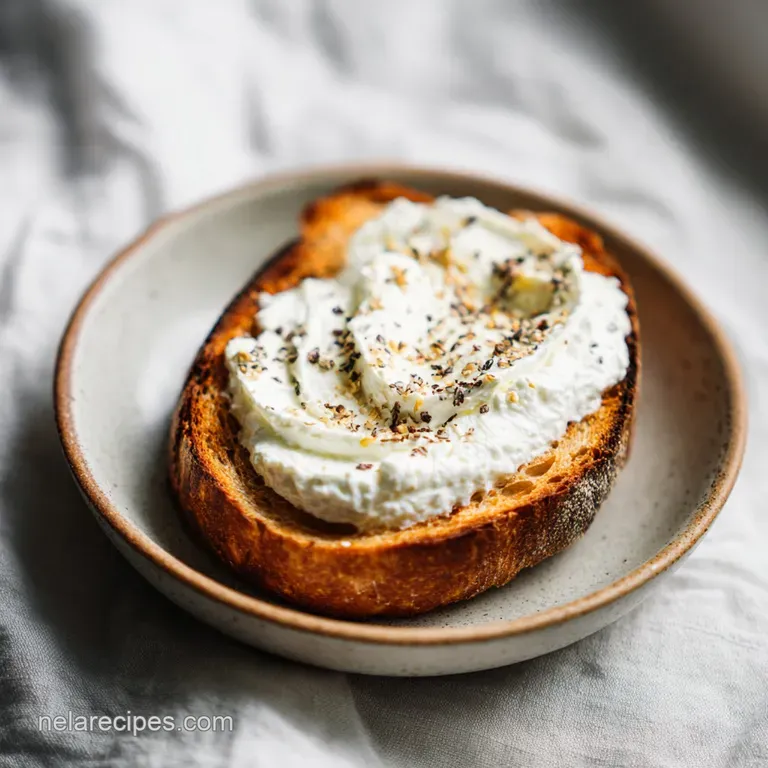
- Time:10 minutes prep + 35 minutes cook + 15 minutes cooling = 1 hour total
- Flavor/Texture Hook: Tangy, dense crumb with a savory, seeded crust
- Perfect for: High protein meal prep or quick breakfast toast
- Bake This Easy 2 Ingredient Protein Bread with Greek
- Scientific Principles of Yeast Free Dough
- Essential Specs for Bread Success
- Component Analysis of Minimalist Ingredients
- Mandatory Tools for Even Baking
- Execution Guide for the Perfect Loaf
- Correcting Texture and Rise Issues
- Flavor Customizations and Diet Swaps
- Debunking Bread Myths
- Maintaining Freshness and Temperature Control
- Optimizing Your High Protein Meal Pairing
- Recipe FAQs
- 📝 Recipe Card
Bake This Easy 2 Ingredient Protein Bread with Greek
Forget everything you have been told about the "necessity" of yeast, proofing drawers, and four hour wait times. Most people assume that bread is a long term commitment that requires a chemistry degree and a lot of patience, but that is a total myth.
You do not need to wait for dough to double in size or worry about killing a live culture with water that is five degrees too hot.
Discover how to make our featured "2 Ingredient Protein Bread with Greek Yogurt" recipe. I remember the first time I pulled this out of the oven on a Tuesday morning; the smell of toasted garlic and onion from the everything seasoning hit me before I even opened the door.
It was heavy, warm, and felt substantial in a way that store-bought white bread never does.
We are looking for a specific result here: a loaf that feels wholesome and fuels your afternoon without the sugar crash. This isn't a light, airy brioche. It is a sturdy, reliable bread that stands up to heavy toppings like smashed avocado or thick layers of almond butter.
It is about efficiency and nutrition working in total harmony.
Scientific Principles of Yeast Free Dough
Acid Base Leavening: The lactic acid in the Greek yogurt reacts immediately with the leavening agents in the self rising flour. This creates a rapid release of carbon dioxide, which provides the lift usually handled by yeast.
Protein Denaturation: Since we are using non fat Greek yogurt, we are introducing a high concentration of casein and whey. During the bake, these proteins denature and coagulate, creating a "scaffold" that supports the weight of the flour.
Hydration Ratio: The thick consistency of Greek yogurt provides enough moisture to hydrate the flour without making it runny. This allows us to skip the long fermentation process while still achieving a tender interior.
| Thickness | Internal Temp | Rest Time | Visual Cue |
|---|---|---|---|
| 4.5 inch loaf | 190°F (88°C) | 15 minutes | Deep golden brown crust |
| 2 inch flatbread | 200°F (93°C) | 5 minutes | Slight char marks |
| 1 inch bagel | 195°F (90°C) | 10 minutes | Firm to the touch |
The internal temperature is the most reliable way to ensure you aren't biting into a gummy center. While the visual cue of a golden brown crust is a great start, using a digital thermometer to hit that 190°F mark guarantees that the protein structure has fully set.
| Ingredient | Science Role | Pro Secret |
|---|---|---|
| Self rising Flour | Provides structure and pre mixed leavening | Sift it first to ensure the baking powder is evenly distributed. |
| Greek Yogurt | Acts as the primary fat source and acid activator | Use a brand that is very thick; watery yogurt ruins the hydration ratio. |
| Large Egg | Facilitates the Maillard reaction for browning | Add a pinch of salt to the wash to help the protein break down for a glossier finish. |
Essential Specs for Bread Success
When you are looking at the specs for this recipe, keep in mind that the protein content of your yogurt matters. I always reach for non fat Greek yogurt because it has the highest protein to moisture ratio.
If you use regular yogurt, the dough will be far too wet to handle, and you will end up adding more flour, which throws off the nutritional balance.
Chef's Tip: Freeze your flour for 15 minutes before mixing. Keeping the flour cold prevents the yogurt from warming up too quickly, which results in a much tighter, more manageable crumb.
The total time of 1 hour includes a mandatory 15 minute rest. Do not skip this. If you slice into it while it's steaming, the moisture escapes too fast and the texture turns gummy within minutes. For a solid meal pairing, this bread goes incredibly well with an Easy Weeknight Chicken Skillet to mop up any leftover sauce or juices.
Component Analysis of Minimalist Ingredients
- 2 cups (250g) self rising flour: This is the backbone. Why this? It contains the exact ratio of baking powder and salt needed for rise.
- 1 cup (245g) plain non fat Greek yogurt: The moisture and protein source. Why this? The acidity provides the necessary "kick" to activate the flour’s leavening.
- 1 large egg, beaten: For the wash. Why this? It creates that professional, high gloss finish that traps internal steam.
- 1 tbsp everything bagel seasoning: For the exterior. Why this? It adds a necessary savory crunch to the otherwise mild dough.
| Original Ingredient | Substitute | Why It Works |
|---|---|---|
| Self rising Flour | AP Flour + 3 tsp Baking Powder + 1/2 tsp Salt | Mimics the chemical leavening of the original. |
| Greek Yogurt | Skyr (Icelandic Yogurt) | Even higher protein content. Note: Makes for a denser, heavier loaf. |
| Everything Seasoning | Dried Rosemary & Sea Salt | Provides a Mediterranean flavor profile instead of savory/garlic. |
Mandatory Tools for Even Baking
You don't need a stand mixer for this. In fact, a stand mixer might actually overwork the dough and make it tough. A simple, sturdy silicone spatula is your best friend here because it allows you to scrape the sides of the bowl without tearing the fragile gluten strands.
I highly recommend using a standard 8.5" x 4.5" loaf pan. If you use a larger pan, the loaf will spread horizontally rather than rising vertically, resulting in a flat, sad looking slice. Lining the pan with parchment paper is also a non negotiable step for me.
It allows you to lift the loaf out immediately, preventing the bottom from steaming and getting soggy while it cools on the counter.
Execution Guide for the Perfect Loaf
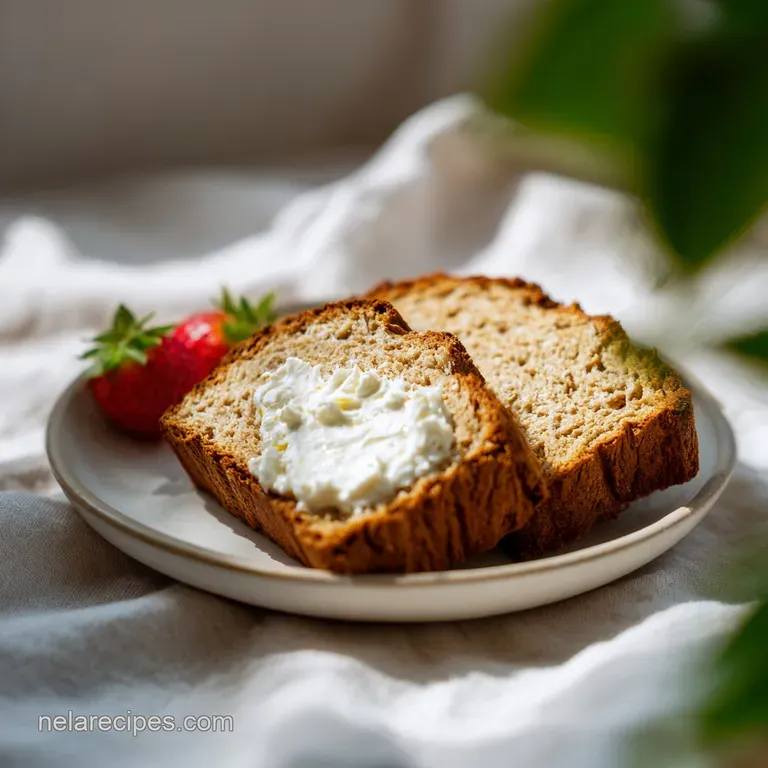
- Preheat your oven to 375°F (190°C).
- In a large mixing bowl, combine the 2 cups of self rising flour and 1 cup of Greek yogurt.
- Using a spatula, fold the ingredients together until a shaggy dough forms. Note: Stop as soon as no dry pockets of flour remain to avoid a rubbery texture.
- Turn the dough onto a lightly floured surface.
- Fold it over itself 3 4 times to shape into a rough log. Do not knead it like traditional bread.
- Transfer the dough to a parchment lined 8.5" x 4.5" loaf pan.
- Brush the top with the beaten egg wash using a pastry brush.
- Sprinkle with 1 tbsp of everything bagel seasoning.
- Bake for 30–35 minutes until the exterior is deep golden brown and the loaf sounds hollow.
- Let the bread cool for at least 15 minutes before slicing.
Correcting Texture and Rise Issues
Why Your Bread Is Gummy in the Middle
This is usually caused by two things: underbaking or slicing too early. If the internal temperature hasn't reached 190°F, the starches haven't fully gelatinized. On top of that,, the 15 minute cooling period is actually a continuation of the cooking process.
Why Your Dough Is Too Sticky
If you can't even get the dough out of the bowl, your yogurt might have been too runny. Greek yogurt brands vary wildly in moisture content. If you see liquid (whey) at the top of your yogurt container, drain it off completely before measuring.
| Problem | Root Cause | Solution |
|---|---|---|
| Heavy/Flat Loaf | Expired Flour | Check the "use by" date on your self rising flour; baking powder dies over time. |
| Burned Bottom | Dark Metal Pan | Place the loaf pan on a baking sheet to add an extra layer of insulation. |
| Crumbly Texture | Over kneading | Fold the dough only 3-4 times. Excessive handling destroys the air bubbles. |
Common Mistakes Checklist
- ✓ Drain any excess liquid from the yogurt before measuring.
- ✓ Use a kitchen scale for the flour if possible (250g) to avoid packing the cup.
- ✓ Ensure the oven is fully preheated to 375°F before the loaf goes in.
- ✓ Only fold the dough; do not use a "punch down" technique.
- ✓ Always use parchment paper to avoid a metallic aftertaste from the pan.
Flavor Customizations and Diet Swaps
If you are looking for a sweeter profile, you can swap the savory seasoning for cinnamon and a tablespoon of maple syrup mixed into the dough. This creates a fantastic base for French toast. For another simple, high reward bake with minimal ingredients, check out these 3 Ingredient Peanut Butter Cookies which use a similar "less is more" philosophy.
For those who want to experiment with different cooking methods, this dough is surprisingly versatile. You can divide it into small balls to make "protein bagels" or even flatten it into a circle for a quick pizza crust.
| Method | Time | Texture | Best For |
|---|---|---|---|
| Standard Oven | 35 minutes | Thick, crunchy crust | Sandwiches and toast |
| Air Fryer | 20 minutes | Very crispy exterior | Individual rolls or bagels |
| Stovetop | 10 minutes | Soft and pliable | Flatbread or wraps |
Debunking Bread Myths
"You must use full fat yogurt for flavor." This is incorrect. In this specific recipe, non fat Greek yogurt actually provides a better structure because the higher protein to fat ratio helps the bread hold its shape without the help of yeast.
The flavor comes from the fermentation of the yogurt itself, not the fat content.
"Bread must be kneaded to develop gluten." While true for sourdough, this bread relies on a chemical reaction. Over kneading will actually force the carbon dioxide out of the dough, leaving you with a brick rather than a loaf. Three or four folds is all it takes to get that shaggy dough into a shape.
Maintaining Freshness and Temperature Control
Storage: Store the loaf in an airtight container or a sealed zip top bag at room temperature for up to 3 days. If you live in a humid environment, keep it in the fridge to prevent mold, though this may dry out the crumb slightly.
Freezing: This bread freezes remarkably well. Slice it before freezing and place parchment paper between the slices. It will stay fresh for up to 2 months. When you are ready to eat, you can pop a frozen slice directly into the toaster.
Zero Waste: If the loaf gets a bit stale after a few days, don't toss it. Because it is so dense, it makes incredible croutons. Cube the leftovers, toss them with olive oil and garlic salt, and bake at 400°F until they are completely crisp.
Optimizing Your High Protein Meal Pairing
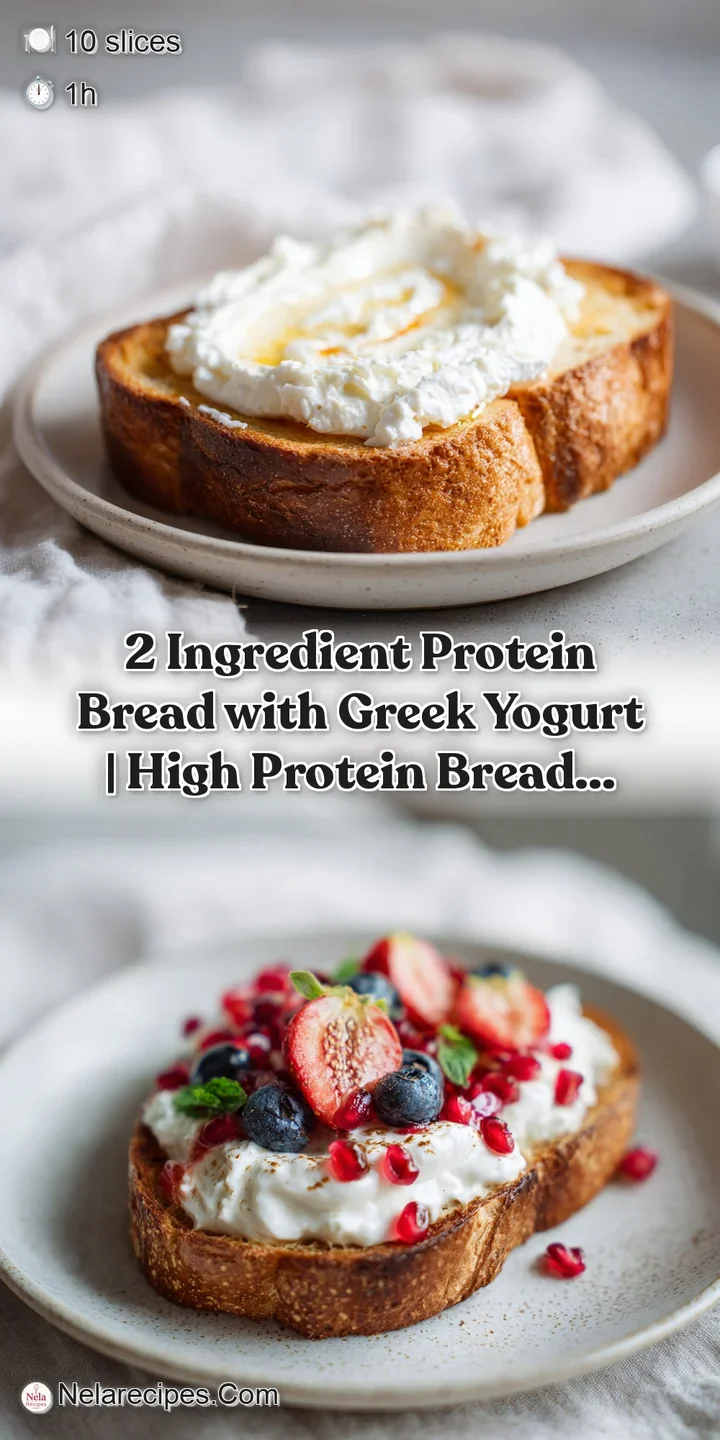
This bread is designed to be a functional component of a healthy diet. Because of the Greek yogurt, it packs more protein per slice than almost any standard grocery store loaf. It pairs beautifully with soft boiled eggs for a "dipping toast" experience or as a side for a hearty soup.
If you are using this as part of your weekly meal prep, try slicing the entire loaf as soon as it has cooled for 15 minutes. This ensures that you have perfectly portioned, 117 calorie slices ready to go for the work week.
It's a wholesome, reliable staple that proves you don't need a pantry full of ingredients to bake something impressive.
Recipe FAQs
Is it true I must use yeast to get this bread to rise?
No, this is a common misconception. This recipe relies on self rising flour, which already contains leavening agents that react perfectly with the Greek yogurt to provide the necessary lift without any wait time.
How to ensure the dough doesn't turn out too dense or gummy?
Fold the dough gently only 3 4 times on a lightly floured surface. Over kneading develops too much gluten, which can make the finished loaf tough rather than keeping that signature chewy, dense crumb.
Is it necessary to let the bread cool before slicing?
Yes, always wait at least 15 minutes. Cooling allows the internal steam to finish setting the crumb structure, ensuring your slices don't collapse or become gummy when you cut into them.
How to tell if the loaf is fully baked through?
Tap the bottom or top of the crust to listen for a hollow sound. The exterior should be a deep golden brown, and if it sounds hollow, you know the internal moisture has evaporated sufficiently.
Can I store this bread to eat later in the week?
Yes, keep it at room temperature for up to 3 days. Because of the Greek yogurt, the bread stays moist, making it an excellent candidate for advance meal prep.
How to achieve the perfect crust texture?
Brush the loaf thoroughly with the beaten egg wash before baking. This promotes deep browning and helps the everything bagel seasoning adhere to the surface, creating that savory, shattering crust.
Is it true that I need to preheat the oven to 400°F?
No, this is incorrect. You must preheat your oven to exactly 375°F (190°C) to ensure the loaf bakes evenly through the center without burning the exterior before it is fully set.
2 Ingredient Protein Bread
Ingredients:
Instructions:
Nutrition Facts:
| Calories | 117 kcal |
|---|---|
| Protein | 5.9 g |
| Fat | 1.2 g |
| Carbs | 20.2 g |
| Fiber | 0.7 g |
| Sugar | 0.8 g |
| Sodium | 360 mg |
